Sub. Zero. Miracles.
I have long suspected that the modern luxury kitchen has very little to do with cooking.
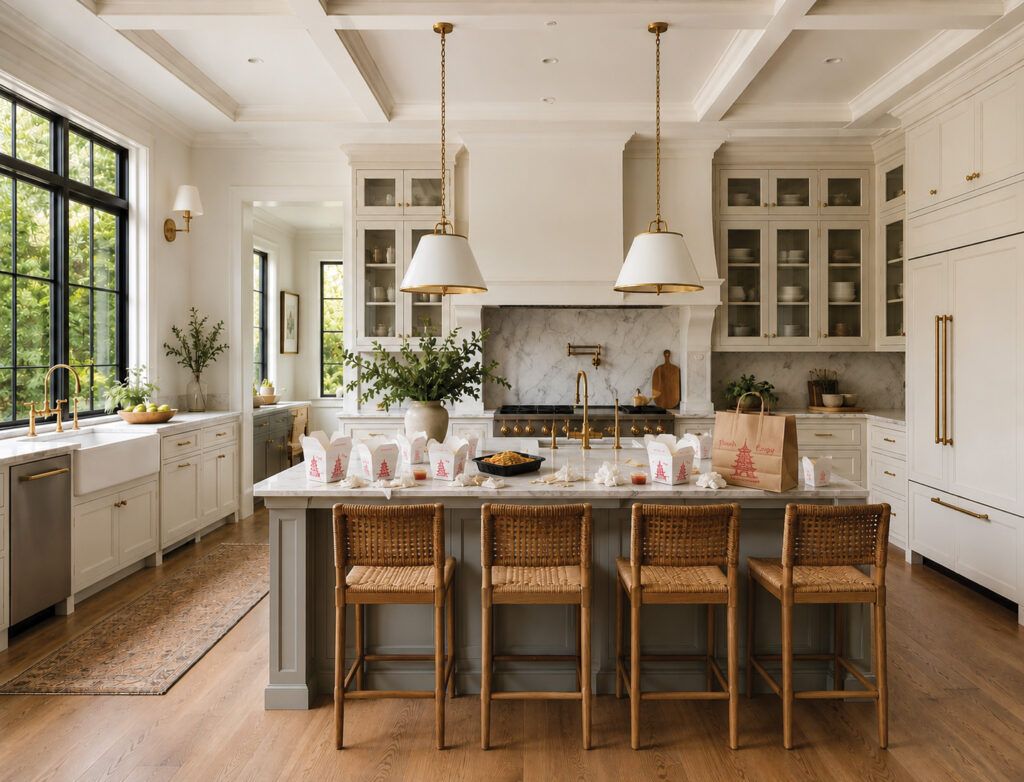
I have long suspected that the modern luxury kitchen has very little to do with cooking. This may seem like a curious conclusion coming from a man whose kitchen contains a six-burner Wolf cooktop, dual Sub-Zero refrigeration columns, a wine preservation system capable of protecting bottles older than some elected officials, and enough imported stone to pave a respectable section of Tuscany. Yet the more kitchens I have seen, the more convinced I become that they are less about preparing meals and more about pursuing a certain vision of ourselves.
Nobody spends six figures renovating a kitchen because scrambling eggs have become technically impossible. They do it because kitchens have quietly replaced therapy, self-improvement seminars, and occasionally religion as the preferred vehicle for personal transformation.
I know this because I once endured a renovation that seemed destined to outlast civilization itself. My former wife became convinced that our perfectly functional kitchen was standing between us and a more enlightened existence. The room worked beautifully. Meals emerged from it with admirable consistency. Yet because it lacked imported marble and the sort of lighting favored by luxury resorts, it was apparently preventing us from becoming the kind of people featured in architectural magazines smiling over untouched charcuterie boards.
The appliance decisions were particularly exhausting. We eventually selected a Wolf cooktop large enough to accommodate a diplomatic summit and equipped with enough power to sear steaks for an army. It was magnificent, even if the only person regularly using it was our chef.
Then came the Sub-Zero refrigeration system, which occupies a unique position in American luxury culture. A Sub-Zero is not simply a refrigerator. It is a social signal disguised as an appliance. It tells visitors that your vegetables enjoy superior living conditions and that you have strong opinions about food preservation despite regularly eating lunch at the club. Owners speak of Sub-Zero with the reverence usually reserved for rare watches, vintage Ferraris, and grandchildren who attend Ivy League universities.
When the project was finally completed, the results were undeniably spectacular. The marble gleamed beneath perfectly calibrated lighting, the cabinetry aligned with Swiss precision, and every appliance stood in place like a highly decorated officer awaiting inspection. Friends admired it. Designers photographed it. Contractors proudly referenced it in future presentations. Yet despite the beauty, expense, and months of collective obsession, the renovation accomplished remarkably little for the relationship that had inspired it. This is not a criticism of kitchens. It is simply an acknowledgment that imported stone possesses surprisingly few therapeutic qualities.
Still, I understand why people continue chasing the perfect kitchen. It represents the life we hope to live rather than the one we actually do. We imagine ourselves hosting elegant dinner parties, preparing family recipes, gathering around enormous islands, and opening exceptional bottles of wine while guests linger long after dessert. The kitchen has become a stage upon which we perform our aspirations.
The irony is that the happiest meal I have enjoyed this year was a cheeseburger consumed while standing at a marina waiting for fuel. There was no marble. No designer lighting. No imported hardware. Nobody discussed backsplash materials or drawer organization systems. Nobody uttered the phrase “transitional contemporary.” It was simply good food, good company, and complete freedom from conversations about countertop edge profiles. Looking back, it may have been the most luxurious dining experience of all.